

12mm mirror price
Understanding Standard Thread Gauges A Comprehensive Overview In the world of manufacturing and mechanical engineering, precision is paramount. One of the critical components that ensure this precision in threaded components is the standard thread gauge. This essential tool plays a crucial role in various industries, from automotive and aerospace to plumbing and construction. In this article, we will delve into the significance, types, and usage of standard thread gauges. What is a Thread Gauge? A thread gauge is a tool used to measure the pitch, diameter, and other dimensions of threads on screws, bolts, and other fasteners. It serves two primary purposes to inspect the size and profile of existing threads and to ensure that newly manufactured threads meet specified tolerances. By verifying these measurements, thread gauges help maintain the integrity and functionality of threaded connections. Importance of Thread Gauges The importance of thread gauges cannot be overstated. Properly threaded fasteners are crucial for ensuring the safety and effectiveness of various assemblies. Inadequate threading can lead to failures in mechanical systems, resulting in costly repairs or even catastrophic accidents. For instance, in aerospace applications, where reliability is non-negotiable, using thread gauges to verify specifications can be the difference between a safe flight and a mechanical failure. Further, standard thread gauges help ensure interchangeability among components. Manufacturers can produce parts at different locations, but with standardization, these parts can be seamlessly integrated . This interchangeability is vital in industries that rely on mass production, where components made by different manufacturers must fit together without issue. Types of Thread Gauges There are several types of thread gauges, each designed for specific measurements and applications. The most common types include 1. Go/No-Go Gauges These gauges are used to determine whether a thread meets specified dimensions. The Go gauge checks that the thread fits correctly, while the No-Go gauge ensures that the thread is not oversized. This binary approach simplifies quality control during the manufacturing process. standard thread gauge 2. Thread Pitch Gauges These tools come with multiple blades, each marked with different pitches. They are used to measure the distance between threads. By selecting the blade that fits the thread's pitch, manufacturers can ensure accurate measurements. 3. Ring Gauges Designed for external threads, ring gauges allow for the quick and effective assessment of the thread's outer diameter and profile. They are particularly useful for inspecting bolts and screws. 4. Plug Gauges These are used for internal threads. Plug gauges have specific sizes that match the desired interior thread dimensions. They help to verify that internal threads in components like nuts and tapped holes are correct. How to Use a Thread Gauge Using a thread gauge effectively requires precision and a clear understanding of the specifications being measured. Here’s a simplified guide on how to use the different types of thread gauges 1. Using Go/No-Go Gauges First, check the Go gauge against the thread. If it fits easily, the thread is the correct size. Next, test with the No-Go gauge. If it doesn’t fit, the thread is also within acceptable limits. If either gauge fails, the thread must be reworked. 2. Using Thread Pitch Gauges Select a blade from the gauge and fit it against the threads. The correct blade will match the spacing precisely. Always start with the finer pitches and work your way up. 3. Using Ring and Plug Gauges Simply attempt to screw the ring gauge onto the external thread or insert the plug gauge into the internal thread. The fit should be smooth, with no excessive force required. Conclusion In conclusion, standard thread gauges are indispensable tools in the manufacturing and engineering sectors. Their ability to ensure precise measurements of threaded components contributes significantly to the overall quality and reliability of mechanical assemblies. By adopting these gauges, manufacturers and engineers can uphold stringent quality standards, thereby ensuring safety, performance, and longevity in their products. As technology advances, the evolution of thread gauges will continue, but their fundamental role in precision engineering remains steadfast.
about
12mm mirror price
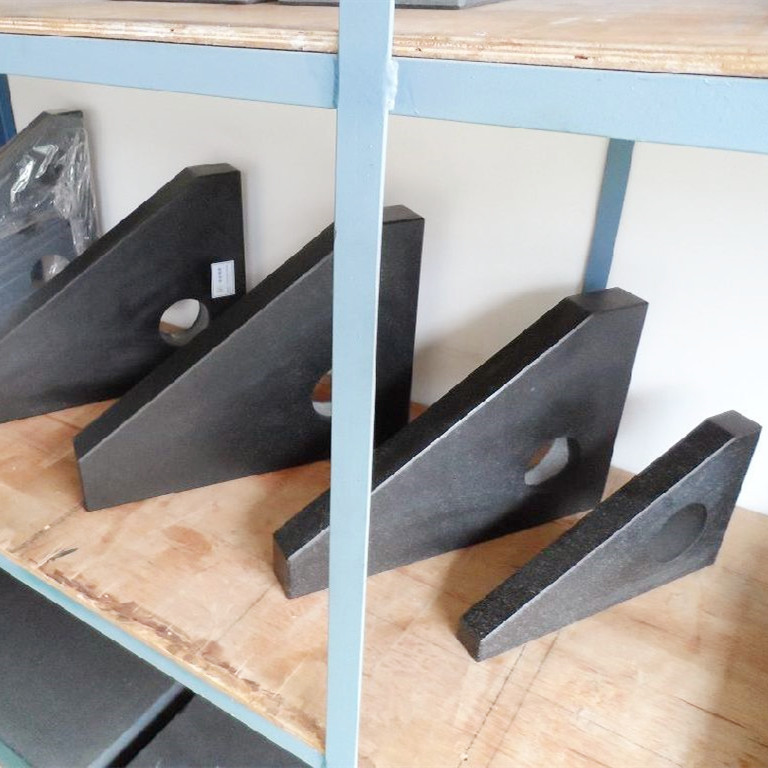
OEM Right Angle Brackets Essential Components for Structural Integrity In the realm of manufacturing and engineering, ensuring structural integrity and reliability is paramount. Among the myriad of components that contribute to this objective, right angle brackets stand out as fundamental elements in a wide range of applications. Specifically, Original Equipment Manufacturer (OEM) right angle brackets play a crucial role in providing stability and strength to various structures and assemblies. This article delves into the significance, applications, and considerations involved in the use of OEM right angle brackets. What Are Right Angle Brackets? Right angle brackets are L-shaped metal or plastic components used to support and connect two surfaces at a right angle, typically 90 degrees. Their robust design allows them to withstand significant loads while maintaining the alignment of the joined components. These brackets are a staple in construction, furniture assembly, and a plethora of industrial applications. The OEM designation indicates that these brackets are produced by a specific manufacturer under strict quality standards, ensuring they meet the unique requirements of intended applications. Importance of OEM Right Angle Brackets 1. Quality Assurance One of the primary advantages of using OEM right angle brackets is the assurance of quality. OEM manufacturers adhere to strict quality control processes, ensuring that each bracket meets industry standards and specifications. This reliability is vital, particularly in critical applications where structural failure could result in significant losses. 2. Customization OEM right angle brackets can be tailored to meet specific requirements, including size, material, and load capacity. This customization makes them invaluable in industries with unique project demands. Whether it’s a robust bracket for heavy machinery or a lightweight solution for furniture assembly, OEM manufacturers can provide the necessary specifications. 3. Cost-Effectiveness While the initial investment in OEM components may be higher than generic alternatives, the long-term benefits often outweigh the costs. The durability and performance of OEM right angle brackets can lead to reduced maintenance and replacement costs, ultimately enhancing a project’s overall economic viability. Applications of OEM Right Angle Brackets OEM right angle brackets find utility across various sectors, including - Construction In building frameworks, these brackets ensure the proper alignment and support of vertical and horizontal structures. They are commonly used in framing, shelving, and roofing applications. oem right angle brackets - Furniture Assembly of furniture often utilizes right angle brackets to enhance stability and longevity. From bookshelves to tables, these brackets maintain structural integrity while allowing for stylish designs. - Automotive and Aerospace In the automotive and aerospace industries, OEM right angle brackets are crucial for mounting components and ensuring safety . These brackets are engineered to withstand rigorous conditions and high-stress environments. - Electrical and HVAC Right angle brackets also play a vital role in supporting electrical panels and HVAC units. They facilitate the secure installation of equipment, contributing to overall safety and functionality. Considerations for Choosing OEM Right Angle Brackets When selecting OEM right angle brackets, several factors should be taken into account 1. Load Capacity It is essential to determine the weight and load that the brackets will support. Consulting with manufacturers can help identify the appropriate specifications. 2. Material The choice of material—steel, aluminum, plastic, or other composites—will impact the bracket's strength, weight, and corrosion resistance. The operating environment should govern this choice. 3. Compatibility Ensure that the dimensions and design of the brackets are compatible with the components they will support. Proper fitting is crucial for effective load distribution. 4. Finish and Coating Depending on the intended use, considering finishes such as galvanization or powder coating will improve durability and resistance to environmental factors. Conclusion OEM right angle brackets are indispensable components that enhance structural integrity across diverse applications. With their quality assurance, customization options, and long-term cost-effectiveness, they stand as a preferred choice for engineers and manufacturers alike. As industries continue to evolve, the importance of reliable and robust support systems remains steadfast, making OEM right angle brackets an essential element in engineering solutions. With thoughtful selection and application, these brackets can contribute significantly to the success and longevity of any project.
-

High quality industrial productsagement

High quality industrial products
View Details -

Meet the diverse needs of customers

Meet the diverse needs of customers
View Details -

Strict quality control

Strict quality control
View Details -

Top raw materials

Top raw materials
View Details -

Trusted supplier

Trusted supplier
View Details
Our application

news and information
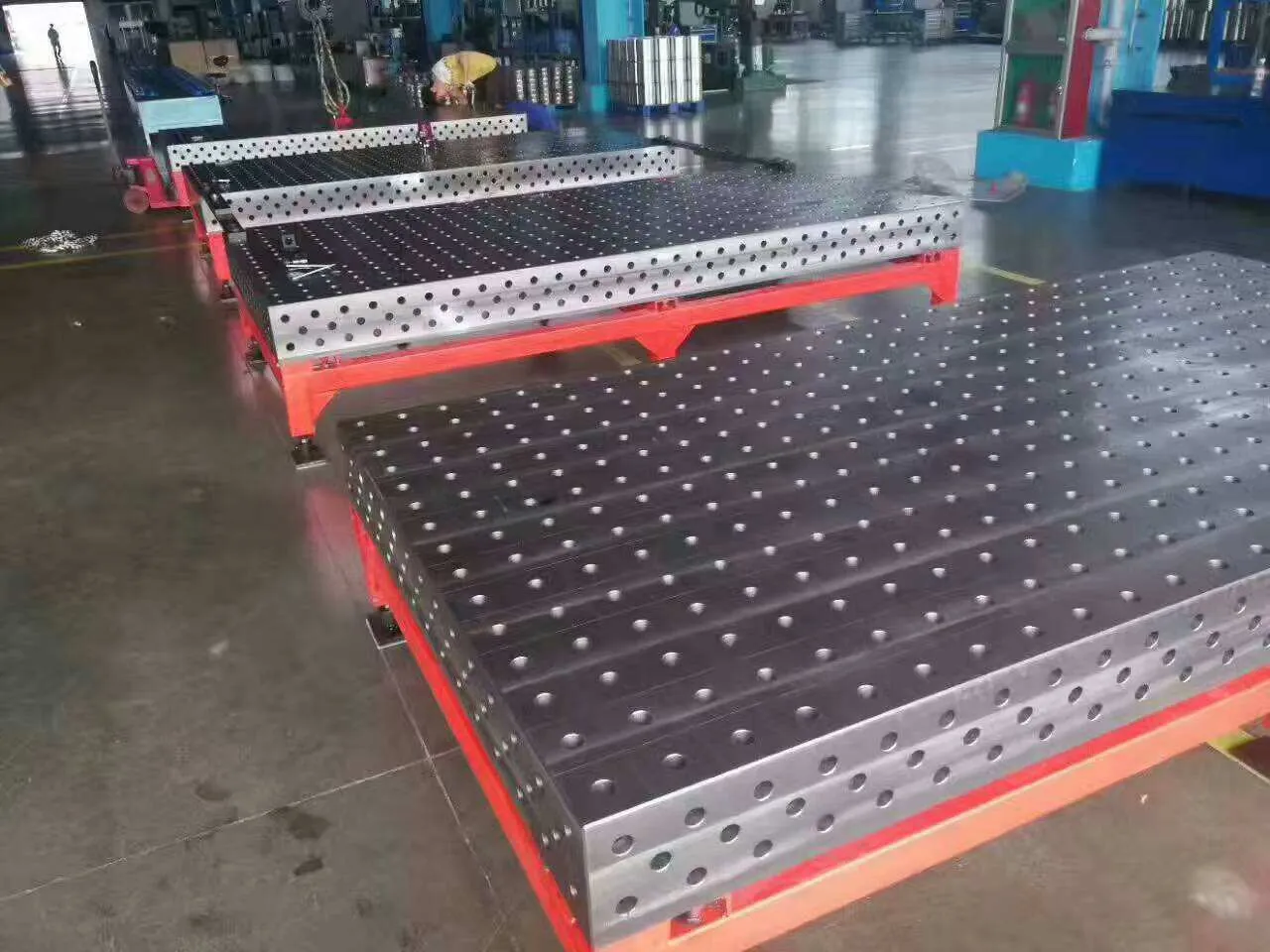
Versatile Welding Table Clamping Kit for Secure Workholding Solutions
The Essential Guide to Welding Table Clamp Kits Welding is an essential skill in many trades, from m
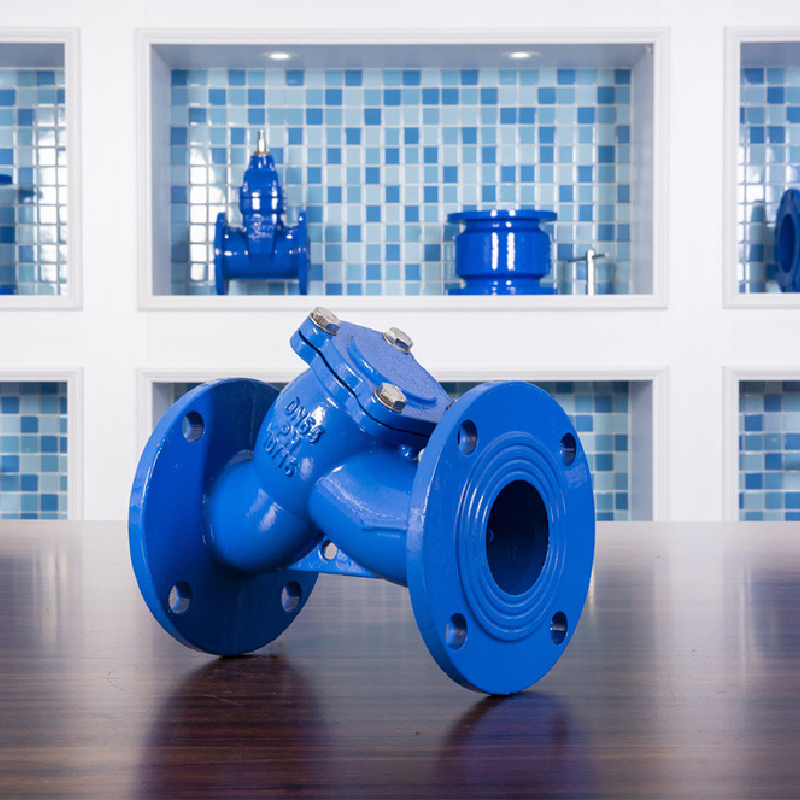
water gate valve types
Water gate valves, often underrated, play a crucial role in managing water flow across various syste
Wholesale Level Insights for Effective Business Strategies and Market Growth
Understanding Level Wholesale A Comprehensive Overview In the ever-evolving landscape of retail and
 English